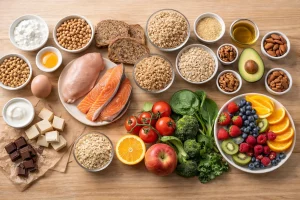
For many working professionals, the daily challenge isn’t just managing meetings, deadlines, and emails—it’s figuring out what to eat. Rushed mornings and late nights often lead to skipped meals, unhealthy takeout, or energy crashes. Meal prep is the key to maintaining a nutritious diet, saving time, and reducing stress. In this article, I’ll share practical, real-life strategies to help working professionals prep meals quickly, efficiently, and sustainably, without sacrificing flavor or health.
Understanding the Benefits of Meal Prep
Meal prep isn’t just about cooking in advance; it’s about creating a system that simplifies your week.
- Saves Time: Preparing multiple meals in one session reduces daily cooking.
- Encourages Healthy Choices: Pre-planned meals prevent impulsive decisions.
- Reduces Stress: Knowing your meals are ready lowers the mental load during busy days.
- Supports Budgeting: Buying ingredients in bulk and prepping at home saves money over takeout.
From my own experience, dedicating just two hours on Sunday to meal prep transformed my week. I no longer spend time wondering, “What’s for lunch?” and I avoid the energy crashes from fast food.
Plan Your Meals Ahead of Time
The first step in efficient meal prep is planning. Without a plan, you risk cooking meals that don’t complement each other or buying ingredients you won’t use.
- Check Your Weekly Schedule: Identify busy days, late meetings, or travel to know when quick meals are essential.
- Pick Simple Recipes: Focus on meals that require minimal ingredients and cooking time. Stir-fries, grain bowls, and one-pan dishes are ideal.
- Balance Your Nutrients: Include proteins, healthy fats, complex carbohydrates, and vegetables in each meal.
I create a simple weekly plan that outlines breakfast, lunch, and dinner options. This planning step takes 15–20 minutes but saves hours during the week.
Start with Breakfast Prep
Breakfast sets the tone for your entire day. Prepping breakfast ensures you don’t skip this essential meal:
- Overnight Oats: Combine oats, milk, chia seeds, and fruit in a jar. Ready in minutes each morning.
- Egg Muffins: Bake eggs with vegetables in muffin tins. Store in the fridge for 3–4 days.
- Smoothie Packs: Pre-portion fruits, spinach, and protein powder in freezer bags. Blend with milk or water in the morning.
Personally, preparing three overnight oats jars on Sunday keeps me energized for busy mornings, even when I wake up late.
Make Lunch Prep Efficient
Lunch is often eaten at work or on-the-go, making it a critical meal to plan.
- Mason Jar Salads: Layer vegetables, grains, and proteins in jars to keep ingredients fresh. Keep dressing at the bottom or in a separate container.
- Grain Bowls: Cook quinoa, rice, or farro in bulk. Add roasted vegetables, beans, and a protein of your choice.
- Wraps and Sandwiches: Use whole-grain wraps, lean protein, and fresh veggies. Prepare components in advance for quick assembly.
I prep a batch of roasted chicken and vegetables every Sunday, which I mix with quinoa or salad greens for lunch throughout the week.
Batch Cook Proteins
Protein is the foundation of every balanced meal. Batch cooking saves time and ensures you always have a protein source ready:
- Grilled or Baked Chicken: Cook multiple breasts at once. Slice and store in airtight containers.
- Roasted Tofu or Tempeh: Season and roast for a plant-based protein option.
- Hard-Boiled Eggs: Make a dozen eggs for snacks or breakfast additions.
- Canned or Cooked Beans: Use chickpeas, black beans, or lentils as protein-rich additions to meals.
Batch cooking proteins allows you to mix and match with different grains and vegetables, keeping meals varied without extra effort.
Prep Vegetables and Fruits in Advance
Vegetables and fruits add essential vitamins, minerals, and fiber to your meals. Prepping them in advance saves daily chopping time:
- Wash and Chop: Carrots, cucumbers, bell peppers, and celery can be stored in containers for 3–4 days.
- Roast Vegetables: Roasted vegetables can be used for lunch bowls, wraps, or as sides.
- Portion Fruits: Apples, berries, and grapes can be divided into snack-sized containers for quick grabs.
I personally spend 20 minutes washing and chopping vegetables on Sunday, which makes assembling meals throughout the week effortless.
Use Time-Saving Cooking Tools
Modern kitchen tools can drastically reduce cooking time and effort:
- Slow Cooker or Instant Pot: Set it in the morning and return home to ready-to-eat meals.
- Air Fryer: Cook proteins and vegetables quickly with minimal oil.
- Blender: Perfect for smoothies, sauces, and soups.
- Portion Control Containers: Helps organize prepped meals and track portions.
I rely on an Instant Pot for cooking grains and beans in bulk. It saves at least 30 minutes per batch compared to stovetop cooking.
Store Meals Properly for Freshness
Proper storage ensures prepped meals stay fresh and safe to eat:
- Use Airtight Containers: Keeps ingredients crisp and prevents odors from mixing.
- Label Containers: Note the date of prep to avoid eating spoiled food.
- Freeze When Necessary: Cooked proteins, grains, and even smoothies can be frozen for later use.
I store cooked chicken in the fridge for four days and freeze extra portions to rotate through the week. This reduces waste and keeps meals fresh.
Quick Snack Prep
Healthy snacks prevent energy crashes and support productivity:
- Nuts and Seeds: Pre-portion into small containers or bags.
- Veggie Sticks with Hummus: Store carrot or cucumber sticks for quick dips.
- Boiled Eggs: A protein-packed snack that’s easy to grab.
- Fruit Packs: Grapes, berries, or apple slices are convenient and naturally sweet.
I keep a container of mixed nuts at my desk, which helps me avoid vending machine temptations during afternoon slumps.
Make Meal Prep a Routine
Consistency is key. By dedicating time weekly to meal prep, it becomes a habit rather than a chore:
- Set a Fixed Prep Day: Many professionals choose Sunday or Monday mornings.
- Start Small: Begin with one or two meals per week and gradually expand.
- Track Your Favorite Recipes: Keep a list of quick, reliable meals to rotate weekly.
Over time, I’ve found that routine meal prep reduces stress, saves time, and ensures that I never skip meals, even during hectic work weeks.
Tips for Eating Out or Traveling
Even with meal prep, life sometimes requires dining out or traveling:
- Check Menus in Advance: Opt for grilled proteins, vegetables, and whole grains.
- Bring Portable Meals: Pack salads, wraps, or protein bars for travel days.
- Stay Hydrated: Water helps digestion and prevents overeating.
I always carry a small container with nuts or a protein bar when traveling for work. It ensures I have a healthy option in case healthy meals are unavailable.
Keep Meals Interesting and Varied
Eating the same meals every week can become monotonous. Variety keeps your meal prep exciting:
- Rotate Proteins: Chicken, fish, tofu, lentils, or eggs.
- Experiment with Spices and Sauces: Different seasonings transform basic ingredients.
- Mix Grains and Vegetables: Switch from rice to quinoa, or roasted to steamed vegetables.
For example, one week I make Mexican-style quinoa bowls, and the next week, I switch to Mediterranean chickpea bowls. This keeps my meals flavorful and sustainable long-term.
Conclusion
Meal prep is a game-changer for working professionals who want to eat healthier, save time, and reduce stress. By planning meals ahead, batch cooking proteins, prepping vegetables and snacks, using smart kitchen tools, and maintaining variety, you can enjoy balanced, satisfying meals throughout the week. Starting small, establishing a routine, and using simple strategies makes meal prep both achievable and sustainable. With these tips, even the busiest professional can maintain a nutritious diet without sacrificing flavor or convenience.
FAQs
1. How much time should I dedicate to meal prep each week?
Start with 1–2 hours once a week. As you develop a routine, prep multiple meals efficiently in the same timeframe.
2. Can meal prep help with weight management?
Yes. Pre-planned meals help control portions, reduce impulsive eating, and encourage balanced nutrition.
3. What’s the best way to store prepped meals?
Use airtight containers, label with dates, refrigerate for 3–4 days, and freeze extra portions for later use.
4. How do I keep meal prep interesting?
Rotate proteins, grains, and vegetables weekly. Experiment with spices, sauces, and cooking methods to avoid monotony.
5. Is it necessary to cook everything from scratch?
No. Use pre-chopped vegetables, canned beans, frozen proteins, or ready-to-eat grains to save time without sacrificing nutrition.