Remote work has transformed how many professionals live and work. Instead of commuting to the same office each day, people now work from cafés, co-working spaces, hotel rooms, and sometimes even from quiet places in nature.
While this flexibility offers many benefits, it also introduces a challenge that many remote workers quickly notice: maintaining a consistent fitness routine while constantly changing environments.
When your workplace changes from week to week—or even day to day—traditional fitness routines built around a fixed gym membership can become difficult to maintain.
I experienced this myself during a period when I worked remotely and traveled frequently. Some days I had access to a gym, while other days I was working from a small apartment or hotel room. Eventually, I realized that staying active required a shift in mindset.
Instead of relying on a specific location for exercise, it helps to adopt a movement-focused approach that works almost anywhere.
This guide explores practical strategies for maintaining physical activity, mobility, and overall wellness while traveling or working remotely.
Rethinking Movement During Travel
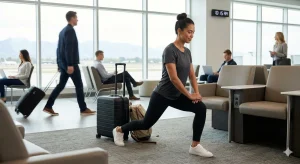
Many people think of travel time as completely inactive time. Long flights, train rides, and airport waits often involve extended sitting.
However, small opportunities for movement can make a significant difference over the course of a day.
For example, airports and transit stations often provide plenty of space for walking.
Some simple habits that help maintain movement during travel include:
- Choosing stairs instead of escalators whenever possible
- Walking through airport terminals rather than sitting near the gate
- Taking short walking breaks during long layovers
I try to take a short walk before boarding long flights. Even ten to twenty minutes of movement can help reduce stiffness and improve circulation before sitting for several hours.
These small decisions gradually add up and help maintain activity levels during travel days.
Creating a Portable Workout Kit
One helpful strategy for travelers is to carry lightweight fitness tools that fit easily into a backpack or suitcase.
You don’t need to complicate a simple travel fitness kit. In fact, many experienced travelers prefer equipment that is lightweight and versatile.
Common portable workout tools include
- Resistance bands
- Jump ropes
- Small mobility balls
- Compact yoga mats
Resistance bands are particularly popular because they provide adjustable resistance for multiple exercises.
They can be used for:
- Rows
- Shoulder exercises
- Squats
- Assisted stretching
Because resistance bands weigh very little, they are convenient for maintaining strength routines while traveling.
A Simple 20-Minute Travel Workout
When traveling or working remotely, short workouts are often the most realistic option.
Even a 20-minute bodyweight routine can help maintain strength and mobility.
Below is an example of a simple travel workout that requires minimal space.
| Exercise | Target Area | Why It Works for Travelers |
|---|---|---|
| Bulgarian Split Squats | Legs and glutes | Uses a chair or bed for support |
| Pike Push-Ups | Shoulders | Helps counter long hours at a laptop |
| Inverted Rows | Upper back | Supports posture and back strength |
| Plank with Shoulder Taps | Core stability | Requires very little space |
This type of workout focuses on functional bodyweight exercises that activate multiple muscle groups at once.
Performing two or three sets of each exercise can provide a quick yet effective session.
Improving Ergonomics While Working Remotely
Another challenge for remote professionals is maintaining healthy posture.
Many people work from laptops placed on couches, beds, or low tables. While convenient, these setups can sometimes lead to neck or back discomfort.
Creating a basic ergonomic workspace can improve comfort during long work sessions.
Helpful adjustments include:
Elevate the Laptop Screen
Raising the laptop screen closer to eye level can help reduce neck strain.
Some travelers use compact laptop stands to create a more comfortable viewing angle.
Use a Separate Keyboard or Mouse
A portable keyboard or mouse can improve hand and wrist positioning when working for extended periods.
Take Frequent Movement Breaks
One helpful habit is the 20-20-20 rule, which encourages short breaks during screen time.
Every 20 minutes:
- Look at something about 20 feet away
- Take a brief break from the screen
- Move or stretch for around 20 seconds
These short breaks can reduce eye fatigue and encourage regular movement.
Maintaining Healthy Eating Habits During Travel
Travel can make healthy eating more difficult. Busy schedules and limited options sometimes lead to convenience foods that may not provide balanced nutrition, which can negatively impact overall health and energy levels during travel.
However, small adjustments can make a positive difference.
Prioritize Balanced Meals
Whenever possible, aim for meals that include
- Protein sources
- Vegetables or fruits
- Whole grains or other carbohydrates
Balanced meals help support energy levels during busy travel days.
Stay Hydrated
Air travel and air-conditioned environments can sometimes contribute to dehydration.
Carrying a reusable water bottle is a simple way to encourage regular hydration.
Many travelers also find it helpful to drink water consistently throughout the day rather than waiting until they feel thirsty.
Explore Local Food Options
One enjoyable part of traveling is discovering local markets and fresh foods.
Buying fruit, yogurt, or other simple foods from local stores can help maintain a balanced diet while also experiencing local culture.
Using Outdoor Movement to Explore New Places
One of the advantages of remote work is the opportunity to explore new environments.
Physical activity can easily become part of that exploration.
For example:
- Walking tours
- Morning jogs through new neighborhoods
- Outdoor yoga in parks
- Hiking nearby trails
I often find that a short walk in a new city helps me become familiar with the area much faster than staying indoors.
It also provides a refreshing break from screens and digital tasks.
Outdoor movement combines exercise with exploration, making it easier to stay motivated.
Monitoring Fitness Without Complex Equipment
While some travelers use wearable devices, simple observations can also track progress.
Indicators of fitness progress might include:
- Increased stamina during walking or workouts
- Improved posture during work sessions
- Stable energy levels throughout the afternoon
- Better sleep quality
Some people also track resting heart rate, which many wearable devices measure.
Gradual changes in these patterns over time may provide useful insight into overall wellness, such as identifying potential stressors or health issues that could affect sleep quality and overall productivity.
Avoiding Burnout During Remote Work
Travel and remote work can sometimes feel exciting at first but become exhausting over time.
Maintaining physical activity can help support mental well-being during busy schedules.
Some habits that help prevent burnout include:
- Scheduling regular movement breaks
- Spending time outdoors whenever possible
- Maintaining consistent sleep routines
- Balancing work hours with recovery time
Even simple activities like walking in a park or stretching between meetings can provide mental refreshment.
Building a Flexible Fitness Routine
One of the most valuable lessons for travelers is flexibility.
Instead of expecting perfect workout conditions, focus on maintaining consistent movement in whatever environment is available.
A flexible routine might include:
- Bodyweight workouts in a hotel room
- Walking or jogging outdoors
- Resistance band exercises
- Short mobility sessions before work
This approach allows fitness habits to continue regardless of location.
Final Thoughts
Remote work and travel offer exciting opportunities, but they also require thoughtful habits to maintain health and energy.
Instead of relying on a fixed gym location, many remote professionals benefit from focusing on movement that can happen anywhere.
Simple actions—walking more during travel, carrying lightweight fitness equipment, creating an ergonomic workspace, and exploring new environments through physical activity—can make a significant difference over time.
In many ways, the most effective travel fitness routine is simply the one that fits naturally into your daily schedule.
With consistency and small adjustments, staying active while traveling can become a natural and rewarding part of the remote work lifestyle.
Frequently Asked Questions
Is it possible to stay fit without access to a gym while traveling?
Yes. You can perform many effective exercises, like bodyweight workouts and resistance band routines, without the need for gym equipment.
How often should travelers exercise?
The ideal frequency varies, but many people aim for three to five sessions per week combined with regular daily movement such as walking.
What is the easiest workout to do in a hotel room?
Bodyweight exercises like push-ups, squats, lunges, and planks are popular choices because they require minimal space.
Do I need special equipment for travel workouts?
No special equipment is required, although lightweight tools such as resistance bands can add variety to workouts.
How can I stay active during long travel days?
Walking through airports, stretching during breaks, and performing short bodyweight routines can help maintain movement during travel.