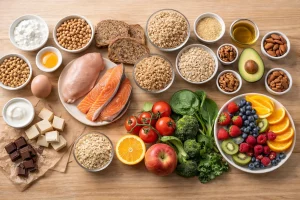
Protein is a vital nutrient that supports muscle growth, repair, immune function, and overall health. Yet, many people struggle to get enough protein throughout the day, especially when life is busy. From breakfast to dinner, there are simple, practical ways to increase protein intake without completely overhauling your diet. In this article, I’ll share real-life strategies, personal experiences, and actionable tips to help you add more protein to every meal.
Understanding Why Protein Matters
Before diving into practical tips, it’s important to understand why protein is so essential. Protein is made up of amino acids, which are the building blocks of muscles, tissues, and enzymes. Without adequate protein, our bodies may experience fatigue, slower recovery after exercise, weakened immunity, and even increased cravings for sugary foods.
From my own experience, I noticed a significant difference when I increased protein in my meals. My energy levels remained steady throughout the day, my post-workout recovery improved, and I felt fuller for longer, which helped me avoid unnecessary snacking.
Start Your Day with a Protein-Packed Breakfast
Breakfast is often the most overlooked meal when it comes to protein. Skipping protein in the morning can lead to mid-morning energy crashes and overeating later. Here are simple ways to boost protein at breakfast:
- Eggs and Egg-Based Dishes: Scrambled eggs, omelets, or boiled eggs provide 6–7 grams of protein each. Add vegetables for fiber and flavor.
- Greek Yogurt Bowls: Greek yogurt contains almost double the protein of regular yogurt. Top with berries, nuts, or seeds.
- Protein Smoothies: Blend milk or plant-based milk, protein powder, spinach, and a banana for a quick, portable option.
- Overnight Oats with Protein: Mix oats with Greek yogurt or protein powder and let it sit overnight. Ready to eat in minutes.
Personally, making overnight oats with a scoop of protein powder has been a game-changer on busy mornings. It’s quick, keeps me full, and tastes delicious.
Add Protein to Your Lunch
Lunch is a great opportunity to include lean proteins and maintain energy levels for the afternoon. Here are practical ways I incorporate protein during the workday:
- Lean Meats: Chicken breast, turkey, or lean beef can be grilled or roasted in advance and added to salads or sandwiches.
- Legumes: Lentils, chickpeas, and black beans are plant-based protein sources that also provide fiber.
- Quinoa and Whole Grains: Quinoa is a complete protein, and whole grains like farro and brown rice can boost protein content when paired with beans or meat.
- Eggs or Tuna: Hard-boiled eggs or canned tuna are easy to add to salads or wraps.
When I prep my lunch the night before, I like to combine quinoa, roasted vegetables, and grilled chicken in a mason jar. It’s portable, satisfying, and packed with protein.
Snacks as Protein Opportunities
Snacks often get overlooked, but they’re a perfect chance to include extra protein and keep hunger at bay. Some quick, high-protein snack ideas include:
- Nuts and Seeds: Almonds, pistachios, sunflower seeds, or pumpkin seeds. Pair with fruit for balance.
- Cheese Cubes or String Cheese: Easy to grab and rich in protein and calcium.
- Protein Bars: Look for bars with at least 10 grams of protein and low added sugar.
- Edamame: Steamed edamame is a plant-based protein powerhouse.
- Boiled Eggs: Keep a batch ready for quick snacking during busy days.
In my routine, having a small container of mixed nuts or a boiled egg mid-morning prevents me from reaching for sugary snacks and keeps me energized until lunch.
Make Dinner Protein-Focused
Dinner is often a large meal, and focusing on protein can help balance your overall intake for the day. Here’s how I do it:
- Protein + Vegetable Combos: Grilled fish with steamed broccoli, roasted chicken with asparagus, or tofu stir-fry with bell peppers.
- Casseroles and One-Pot Meals: Add beans, chicken, or lean beef to pasta or rice dishes.
- Eggs and Legumes for Meatless Options: Chickpea curry, lentil soup, or egg-based frittatas are excellent alternatives.
- Frozen or Quick-Cook Proteins: Salmon fillets, shrimp, and chicken breasts can be cooked in under 20 minutes for a protein-packed dinner.
One of my favorite quick dinners is a stir-fry with tofu, broccoli, and quinoa. It’s balanced, filling, and rich in protein without requiring much effort.
Explore Plant-Based Protein Sources
Protein isn’t just found in meat. Plant-based sources can easily be added to meals to boost protein content:
- Legumes: Beans, lentils, chickpeas
- Tofu and Tempeh: Excellent for stir-fries, salads, or sandwiches
- Seitan: High-protein wheat-based meat alternative
- Nuts and Seeds: Chia seeds, hemp seeds, almonds
- Whole Grains: Quinoa, amaranth, buckwheat
Incorporating plant-based proteins not only increases protein intake but also adds variety to meals. Personally, I rotate between chicken, lentils, and tofu to avoid monotony while keeping protein levels consistent.
Use Protein Supplements Strategically
While whole foods should be your primary source of protein, supplements can be useful when life gets busy or when post-workout recovery is needed. Here are some options:
- Whey or Plant-Based Protein Powders: Add to smoothies, oatmeal, or baked goods.
- Protein-Enhanced Snacks: Protein bars, shakes, or yogurt drinks can fill gaps in your diet.
- Collagen or Pea Protein: Ideal for soups, coffee, or baking.
I personally use a scoop of whey protein in my post-workout smoothie. It’s quick, convenient, and helps meet my daily protein target without extra effort.
Creative Ways to Add Protein Without Extra Cooking
Sometimes, it’s about smart additions rather than full meals. Here are easy ways I increase protein:
- Sprinkle Seeds or Nuts: Add chia, hemp, or sunflower seeds to salads, yogurt, or cereal.
- Mix Beans or Lentils: Add to soups, stews, or pasta dishes.
- Top with Cheese or Yogurt: Use Greek yogurt as a sauce base or sprinkle cheese over roasted vegetables.
- Use Nut Butters: Almond or peanut butter on toast, fruit, or oatmeal.
Small tweaks like these can add 5–10 grams of protein per meal without extra cooking, making it easier to hit your daily goals.
Plan Protein Intake Across the Day
To ensure you get enough protein, it’s helpful to spread it across meals rather than consuming it all at once. Here’s a sample distribution for an average adult:
- Breakfast: 20–25 grams (eggs, Greek yogurt, protein smoothie)
- Lunch: 25–30 grams (chicken, quinoa, beans)
- Snack: 10–15 grams (nuts, cheese, edamame)
- Dinner: 25–30 grams (fish, tofu, lentils)
By spreading protein intake, your body can absorb it more effectively, support muscle maintenance, and keep you fuller throughout the day. I personally track my meals for a week to make sure I reach my target without overcomplicating it.
Keep Meals Simple and Sustainable
Adding protein doesn’t have to mean spending hours in the kitchen. Simple strategies like batch cooking, keeping ready-to-eat proteins, and combining plant-based and animal-based sources can make it easy. Sustainability is key: if your protein plan is too complicated, you’re less likely to stick with it.
In my experience, using simple recipes and preparing ingredients ahead of time has made protein-rich eating a consistent habit rather than a chore.
Conclusion
Including more protein in every meal is achievable with intentional planning, creative additions, and smart choices. From breakfast smoothies to dinner stir-fries, and plant-based options to protein supplements, there are countless ways to boost protein without adding stress. Small changes, like sprinkling seeds, batch cooking, or carrying protein-rich snacks, can make a significant difference in your overall health, energy, and satiety. Remember, the goal isn’t perfection—it’s consistency and practicality. By implementing these tips, you can enjoy meals that are both delicious and protein-packed every day.
FAQs
1. How much protein should I eat per day?
Daily protein needs vary depending on age, activity level, and goals. Most adults should aim for 0.8–1.2 grams per kilogram of body weight, and active individuals may need more.
2. Can I get enough protein on a vegetarian or vegan diet?
Yes. Legumes, tofu, tempeh, seitan, nuts, seeds, and whole grains provide sufficient protein when eaten in variety throughout the day.
3. Are protein supplements necessary?
Not always. Whole foods should be the primary source of protein, but supplements are convenient for busy lifestyles or post-workout recovery.
4. How can I add protein to snacks without making them heavy?
Opt for nuts, seeds, Greek yogurt, edamame, or boiled eggs. These options are light, portable, and protein-rich.
5. Is it better to spread protein across meals or eat it all at once?
Spreading protein intake across meals improves absorption, supports muscle repair, and helps you stay full longer.