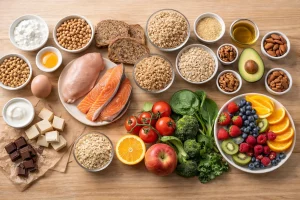
In today’s fast-paced world, finding time to cook or even think about meals can feel impossible. Between work deadlines, family responsibilities, and social commitments, it’s easy to fall into the trap of grabbing whatever is convenient—fast food, takeout, or pre-packaged snacks. But planning balanced meals doesn’t have to be overwhelming. With some strategy, preparation, and small lifestyle adjustments, you can enjoy nutritious meals even on your busiest days. In this guide, I’ll walk you through practical, real-life methods to plan and prepare balanced meals that fit seamlessly into your hectic schedule.
Understanding the Importance of Balanced Meals
Balanced meals are the foundation of sustained energy, good health, and mental clarity. A well-rounded plate typically includes proteins, healthy fats, complex carbohydrates, and plenty of fruits and vegetables. When you skip meals or rely on convenience foods, you’re more likely to experience energy crashes, poor concentration, and even long-term health issues like weight gain or nutrient deficiencies.
From personal experience, I’ve found that even a single day without proper planning can turn into a chain of poor choices: skipping breakfast, grabbing sugary snacks at work, and overeating at dinner. By understanding what your body truly needs, you can make smarter choices, even when time is tight.
Start with Meal Planning Once a Week
The most effective way to maintain a balanced diet during a busy week is to plan ahead. Set aside 30–60 minutes once a week—Sunday evenings work best for many—to map out your meals. Begin with these steps:
- Assess Your Schedule: Identify busy days, work meetings, and social events to know when meals need to be quick and portable.
- Choose Core Ingredients: Pick proteins, vegetables, and grains that can be used across multiple meals. For example, chicken breast, quinoa, spinach, and bell peppers can be transformed into salads, wraps, or stir-fries.
- Plan Simple Recipes: Focus on meals that require minimal prep or can be batch-cooked. Think roasted vegetables, overnight oats, and sheet-pan meals.
This approach reduces decision fatigue during the week and ensures you always have healthy options ready.
Embrace Batch Cooking and Meal Prep
Batch cooking is a lifesaver for busy people. By preparing several servings at once, you minimize daily cooking time while maximizing your nutrient intake. Here’s how I do it in my own routine:
- Choose 2–3 Proteins for the Week: Roast chicken, grill salmon, or cook lentils in bulk.
- Prepare Veggies Ahead: Chop vegetables like carrots, cucumbers, and bell peppers, or roast them for easy side dishes.
- Cook Whole Grains: Rice, quinoa, and pasta can be cooked in large quantities and stored in the fridge for quick meals.
- Store Wisely: Use airtight containers to keep food fresh for up to four days.
Batch cooking might sound time-consuming initially, but it saves hours during the week. Personally, dedicating two hours on Sunday to prep meals ensures I never have to compromise on nutrition, no matter how busy Monday gets.
Keep Quick and Healthy Snacks Accessible
When life gets hectic, snacks often become a source of unhealthy eating. To prevent reaching for chips or sugary bars, stock your kitchen with simple, nutritious options. Some go-to snacks I rely on include:
- Mixed nuts and seeds
- Greek yogurt with berries
- Apple slices with almond butter
- Carrot and cucumber sticks with hummus
- Hard-boiled eggs
Having these snacks ready in grab-and-go containers makes it easy to maintain energy and avoid the pitfalls of skipping meals.
Utilize Smart Kitchen Tools
Technology can simplify meal prep and cooking significantly. Here are a few tools that make planning balanced meals effortless:
- Slow Cooker or Instant Pot: Great for set-and-forget meals like stews, soups, and curries.
- Blender: Perfect for nutrient-rich smoothies or homemade sauces.
- Air Fryer: Allows you to cook vegetables and proteins quickly with minimal oil.
- Portion Control Containers: Helps in packing lunches and tracking portion sizes for balanced nutrition.
Investing in a few key tools not only saves time but also encourages healthier cooking habits.
Prioritize Breakfast Even on Tight Mornings
Breakfast sets the tone for your entire day. Skipping it often leads to mid-morning cravings and overeating later. On busy mornings, I keep it simple yet balanced:
- Overnight Oats: Mix oats, milk, chia seeds, and fruit the night before. Ready to eat within minutes.
- Smoothies: Blend spinach, banana, protein powder, and almond milk for a nutrient-packed drink.
- Egg Muffins: Bake eggs with vegetables in muffin tins and store in the fridge for 3–4 days.
These options are portable, quick, and keep energy levels stable throughout the morning.
Make Lunches Work-Friendly
For most people, lunch is eaten during short breaks, making it easy to default to fast food. Here’s how to maintain a balanced diet during work hours:
- Mason Jar Salads: Layer vegetables, grains, protein, and dressing separately to prevent sogginess.
- Wraps and Sandwiches: Use whole-grain bread, lean protein, and plenty of vegetables.
- Leftovers: Reheat your prepped dinners for an instant, healthy lunch.
Bringing lunch from home not only saves money but also ensures your meal is nutritious and satisfying.
Dinner Made Simple and Balanced
After a long day, cooking can feel exhausting. Keep your dinners simple but nourishing:
- One-Pot Meals: Stir-fries, curries, or pasta dishes with a mix of protein, vegetables, and grains.
- Sheet-Pan Dinners: Roast protein and vegetables together in the oven for minimal cleanup.
- Frozen Vegetables: Have them handy for quick sides when fresh options aren’t available.
Even with limited time, you can create meals that are wholesome and filling without spending hours in the kitchen.
Incorporate Flexibility and Variety
One of the biggest mistakes in meal planning is rigidity. If your plan is too strict, you’re likely to give up when life gets unpredictable. To stay consistent:
- Rotate proteins, grains, and vegetables weekly.
- Experiment with spices and sauces to keep flavors exciting.
- Allow yourself occasional treats without guilt; balance is about consistency, not perfection.
Flexibility makes it easier to maintain healthy eating habits long-term, even with a busy schedule.
Use Time-Saving Grocery Strategies
Efficient grocery shopping is crucial for sticking to a meal plan. I follow these strategies:
- Make a List: Always shop with a list based on your weekly meal plan.
- Opt for Pre-Cut Vegetables: Saves chopping time without sacrificing nutrition.
- Buy Frozen or Canned Alternatives: Frozen vegetables, fruits, and canned beans are nutrient-dense and last longer.
- Shop Online: Many stores offer grocery delivery, saving travel time and reducing impulse purchases.
With these techniques, you can spend less time shopping and more time enjoying balanced meals.
Stay Hydrated and Mindful While Eating
Balanced meals aren’t only about the right foods—they’re also about mindful eating. Drinking enough water throughout the day helps digestion, curbs unnecessary snacking, and keeps energy levels stable. Simple habits I practice include:
- Keeping a water bottle at my desk
- Drinking a glass of water before meals
- Eating slowly to recognize fullness signals
Being mindful encourages better portion control and prevents overeating, even during busy days.
Quick Tips for Eating Out or Traveling
Even when traveling or dining out, you can stick to balanced meals with some planning:
- Check Menus in Advance: Look for grilled proteins, vegetable sides, and whole grains.
- Split Portions: Restaurants often serve larger portions than needed—sharing helps control intake.
- Bring Snacks: Carry nuts, fruit, or protein bars for emergencies.
- Stay Hydrated: Drink water before and during meals to aid digestion and avoid overordering.
With these strategies, eating out doesn’t derail your balanced eating habits.
Making Meal Planning a Sustainable Habit
Consistency is the key to long-term success. Start small, incorporating one or two strategies at a time. Over the weeks, gradually add more planning, prepping, and smart cooking techniques. For me, the habit of weekly meal prep transformed not only my diet but also my overall stress levels around food. It became second nature to have healthy, balanced meals ready, no matter how hectic my week got.
Conclusion
Planning balanced meals on a busy schedule may seem daunting, but it’s achievable with the right approach. By understanding nutritional needs, planning weekly, batch cooking, keeping healthy snacks handy, and using smart kitchen tools, you can maintain a diet that fuels your energy, focus, and well-being. Remember, consistency beats perfection, and small, manageable changes often have the biggest long-term impact. With these strategies, even the busiest person can enjoy nutritious, satisfying meals every day.
FAQs
1. How can I plan meals if I work long hours?
Plan your meals once a week, batch cook on weekends, and prepare portable lunches and snacks to take to work. This minimizes daily cooking time.
2. What are some quick breakfast options for busy mornings?
Overnight oats, smoothies, and egg muffins are fast, nutritious, and easy to prepare ahead of time.
3. How can I maintain a balanced diet when eating out?
Check menus in advance, choose grilled proteins and vegetable sides, split portions, and carry healthy snacks if needed.
4. Is batch cooking really worth it?
Yes. Batch cooking saves time, reduces decision fatigue, and ensures you always have nutritious meals ready.
5. How can I avoid repetitive meals during the week?
Rotate proteins, grains, and vegetables weekly, and experiment with different spices, sauces, and cooking methods to keep meals interesting.