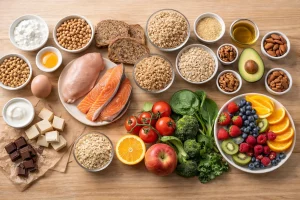
Reducing sugar intake is a goal many of us share, but it often comes with a challenge: the fear of hunger or low energy. Sugar is deeply embedded in our diets, from obvious sources like candy and soda to hidden sources in bread, sauces, and packaged foods. Cutting back doesn’t have to mean deprivation. With the right strategies, you can lower your sugar intake while staying full, energized, and satisfied. In this article, I’ll share practical, experience-driven tips to help you reduce sugar naturally without feeling hungry.
Understanding Sugar and Its Impact
Sugar provides a quick source of energy, but it can lead to energy crashes, weight gain, and cravings when consumed in excess. The main types of sugar in your diet are:
- Added Sugars: These are sugars added during processing, like high-fructose corn syrup in soft drinks or cane sugar in baked goods.
- Natural Sugars: Found in fruits and dairy, these come with fiber, protein, and vitamins that slow absorption.
When I first decided to reduce sugar, I focused on understanding where it was hiding in my diet. From salad dressings to flavored yogurts, I discovered sugar was sneaking in places I never imagined. Awareness is the first step in making sustainable changes.
Start With Small, Gradual Changes
Eliminating sugar completely overnight can trigger intense cravings and hunger. Gradual reduction is more sustainable:
- Cut One Sugary Item at a Time: Replace soda with sparkling water, or swap a sugary breakfast cereal for oatmeal with fruit.
- Reduce Portion Sizes: Have half a cookie or smaller scoop of ice cream instead of a full serving.
- Decrease Sweetness Gradually: If you add sugar to coffee or tea, reduce it by a small amount each week.
Personally, I reduced sugar in coffee over two weeks. At first, it felt bitter, but by week three, I didn’t miss the added sweetness at all.
Focus on Protein and Fiber
Protein and fiber are your best allies for staying full while reducing sugar:
- Protein Sources: Eggs, Greek yogurt, lean meats, beans, and tofu.
- Fiber-Rich Foods: Vegetables, fruits, whole grains, legumes, nuts, and seeds.
When I switched my breakfast from sugary cereal to Greek yogurt with berries and chia seeds, I stayed full until lunchtime. Protein and fiber slow digestion and stabilize blood sugar, reducing the urge for sugary snacks.
Choose Healthy Fats to Satisfy Hunger
Healthy fats are essential for satiety and energy. Including them in your meals can help reduce sugar cravings:
- Avocado: Perfect for toast or salads.
- Nuts and Seeds: Almonds, walnuts, chia seeds, and flaxseeds.
- Olive Oil or Coconut Oil: Use in cooking or dressings.
- Nut Butters: Peanut or almond butter without added sugar.
I often add a handful of nuts or a spoonful of nut butter to snacks. The fat content keeps me satisfied and reduces the temptation to reach for candy.
Eat Regular, Balanced Meals
Skipping meals can increase sugar cravings as blood sugar drops. Structured meals with balanced nutrients keep hunger at bay:
- Include Protein, Fiber, and Healthy Fats: Each meal should contain all three.
- Don’t Skip Breakfast: Starting the day with a balanced breakfast prevents mid-morning sugar binges.
- Plan Snacks Ahead: Healthy snacks like hummus with veggies or Greek yogurt with fruit keep energy steady.
For example, my go-to lunch is grilled chicken, quinoa, and roasted vegetables. The combination of protein, fiber, and fat keeps me full, making sugar-free afternoons much easier.
Replace Sugary Drinks
Liquid sugar can sabotage efforts more than solid foods. Here are alternatives:
- Sparkling Water With Lemon or Lime: Adds flavor without sugar.
- Herbal Teas: Naturally sweet and hydrating.
- Black Coffee or Unsweetened Tea: Reduces calories and stabilizes energy.
- Infused Water: Combine fruits, cucumbers, or herbs in water for natural flavor.
Switching from soda to sparkling water was a turning point for me. Initially, I missed the fizz and sweetness, but adding a splash of lemon or a few frozen berries made it satisfying.
Satisfy Sweet Cravings With Natural Sources
You don’t need to feel deprived. Fruits and certain natural foods can replace processed sugar:
- Fresh Fruit: Berries, apples, oranges, and grapes are naturally sweet and high in fiber.
- Frozen Fruit: Works well in smoothies or desserts.
- Dark Chocolate: Choose 70% or higher cocoa for lower sugar content.
- Baked Fruit: Roasted apples or pears with cinnamon can satisfy cravings.
I often swap a candy bar for a small bowl of berries with a drizzle of dark chocolate. It satisfies my sweet tooth while providing fiber and antioxidants.
Mindful Eating Helps Reduce Sugar
Mindful eating can prevent overeating and cravings:
- Eat Slowly: Savor each bite to let your brain register fullness.
- Avoid Eating in Front of Screens: Focus on meals to prevent unconscious sugar consumption.
- Listen to Hunger Cues: Eat when hungry, not out of boredom or stress.
When I started practicing mindful eating, I noticed my sugar cravings reduced significantly. I became more aware of how small bites of naturally sweet foods could satisfy me without processed sugar.
Keep Healthy Snacks on Hand
Having sugar-free options readily available prevents impulsive choices:
- Nuts and Seeds: High in protein and healthy fats.
- Cut Vegetables With Hummus: Fiber and protein combo.
- Boiled Eggs or Cheese Cubes: Portable and satisfying.
- Fruit Portions: Pre-cut apples, oranges, or grapes.
I keep a drawer at work stocked with almonds, string cheese, and fruit packs. When a sugar craving hits, I have healthy alternatives ready.
Read Labels and Avoid Hidden Sugars
Sugar hides in many packaged foods under different names:
- Common Names: Sucrose, corn syrup, dextrose, maltose, cane sugar.
- Processed Foods: Sauces, bread, yogurt, cereals, and condiments often have added sugar.
- Check Serving Sizes: Sugar content can be misleading if you eat more than one serving.
Reading labels helped me identify hidden sugars in foods I thought were healthy, like flavored yogurt and granola bars. Awareness makes it easier to make smarter choices.
Use Natural Flavor Enhancers
Instead of sugar, enhance taste with natural ingredients:
- Spices: Cinnamon, nutmeg, ginger, and vanilla add sweetness without sugar.
- Citrus: Lemon, lime, or orange zest brighten flavors.
- Extracts: Vanilla or almond extract works in baking.
I often add cinnamon to my oatmeal or smoothies. It enhances sweetness naturally and helps curb sugar cravings.
Plan for Occasional Treats
Completely avoiding sugar can backfire. Plan small, mindful treats:
- Set Limits: Enjoy a small piece of chocolate or a cookie occasionally.
- Practice Portion Control: Pre-portion desserts to avoid overeating.
- Savor, Don’t Rush: Eat slowly to fully enjoy the treat.
Allowing occasional indulgences prevents feelings of deprivation and makes long-term sugar reduction sustainable.
Exercise and Hydration Support Sugar Control
Physical activity and hydration play a role in managing sugar cravings:
- Exercise: Helps regulate blood sugar and reduce cravings.
- Stay Hydrated: Thirst can be mistaken for hunger, leading to sugar consumption.
- Sleep Well: Poor sleep increases cravings for sugary foods.
I noticed that on days I exercise and drink plenty of water, my desire for sweets diminishes, making sugar-free choices much easier.
Conclusion
Reducing sugar intake without feeling hungry is entirely possible with mindful planning, balanced meals, and smart substitutions. Focus on protein, fiber, and healthy fats to stay full, replace sugary drinks with water or herbal teas, satisfy cravings with fruits or dark chocolate, and practice mindful eating. Reading labels, prepping snacks, and allowing occasional treats ensures sustainability. By implementing these strategies, you can enjoy lower sugar intake while maintaining energy, fullness, and overall health.
FAQs
1. Can I reduce sugar without feeling deprived?
Yes. By gradually reducing sugar and including protein, fiber, and healthy fats, you can stay full and satisfied.
2. Are natural sweeteners like honey better than sugar?
They provide some nutrients, but still count as sugar. Use sparingly while relying on whole foods for sweetness.
3. How can I deal with sudden sugar cravings?
Snack on protein-rich foods, fruits, or nuts, and drink water. Mindful eating and small portions help curb cravings.
4. Is it okay to eat fruit when reducing sugar?
Absolutely. Fruit contains natural sugar along with fiber, vitamins, and antioxidants, which slow absorption and reduce hunger.
5. How long does it take to adjust to lower sugar intake?
Typically 2–4 weeks. Gradual reduction helps your taste buds adjust without intense cravings or hunger.